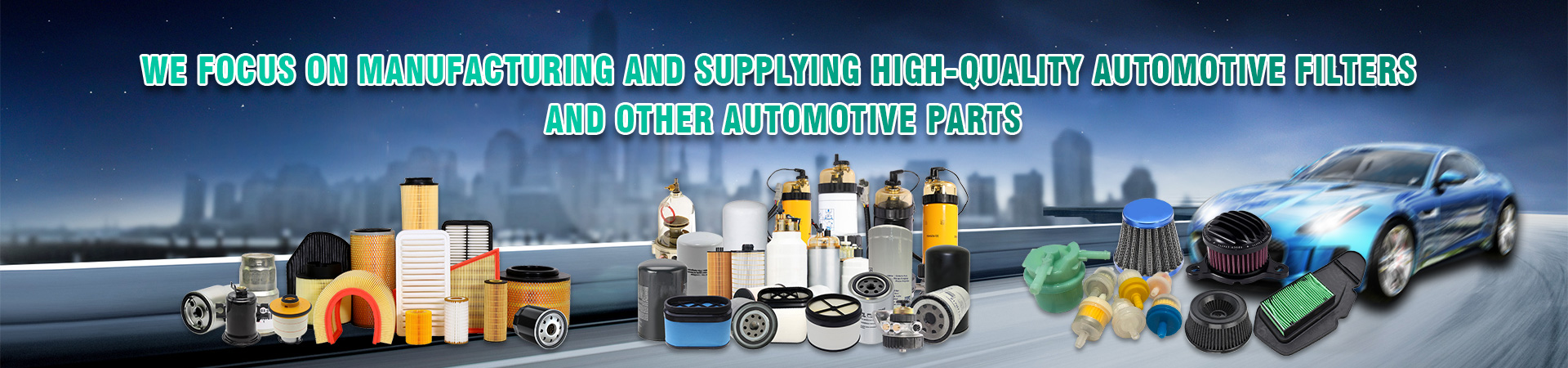
Is féidir le scagaire aeir salach a bheith ina chúis le solas inneall seiceála a shoilsiú. Tá ról ríthábhachtach ag an scagaire aeir i bhfeidhmiú inneall feithicle. Is é an phríomhfheidhm atá aige ná salachar a chosc, smionagar, agus ábhar salaithe eile ó dhul isteach san inneall agus damáiste a dhéanamh. ach, le himeacht ama, is féidir leis an aer-scagaire a bheith clogged le salachar agus smionagar, ag laghdú a éifeachtúlachta.
Nuair a bhíonn an scagaire aer salach agus clogged, cuireann sé srian ar an sruth aeir chuig an inneall, as a dtagann meascán saibhir aer-bhreosla. Is féidir leis an éagothroime seo solas an innill seiceála a spreagadh chun teacht ar aghaidh. An t-aonad rialaithe inneall (ECU) monatóireacht ar bhraiteoirí agus paraiméadair éagsúla chun a chinntiú go bhfuil an t-inneall ag rith go barrmhaith. Má bhraitheann sé fadhb leis an meascán aer-bhreosla mar gheall ar scagaire aer salach, Soilseoidh sé solas an innill seiceála chun an tiománaí a chur ar an eolas.
Chomh maith leis an solas inneall seiceála a chur faoi deara, is féidir le scagaire aeir salach tionchar diúltach a bheith aige freisin ar fheidhmíocht agus ar éifeachtúlacht breosla na feithicle. Féadfaidh aschur cumhachta laghdaithe a bheith mar thoradh ar shreabhadh aeir srianta, luasghéarú sluggish, agus ídiú breosla méadaithe. Dá bhrí sin, tá sé tábhachtach an scagaire aeir a iniúchadh agus a athsholáthar go rialta mar atá molta ag monaróir na feithicle.
Ar ámharaí an tsaoil, Is tasc cothabhála réasúnta simplí agus saor é athsholáthar scagaire aeir. Is féidir an chuid is mó de na scagairí aeir a rochtain go héasca agus a athsholáthar gan gá le huirlisí speisialaithe. Moltar go ginearálta an scagaire aeir a athsholáthar gach 12,000 chun 15,000 míle nó mar a shonraítear i lámhleabhar úinéara na feithicle.
Is féidir le cothabháil rialta agus athsholáthar tráthúil an scagaire aeir cuidiú le cosc a chur ar sholas an inneall seiceála ó theacht ar aghaidh mar gheall ar scagaire aeir salach. Tá sé tábhachtach a thabhairt faoi deara freisin go bhfuil scagaire aer salach ar cheann de na cúiseanna go leor féideartha le haghaidh solas inneall seiceála. Má tá solas an innill seiceála fós soilsithe fiú tar éis an scagaire aeir a athsholáthar, tá sé inmholta go ndéanfadh meicneoir cáilithe diagnóisiú ar an bhfeithicil chun an bhunchúis a chinneadh.